
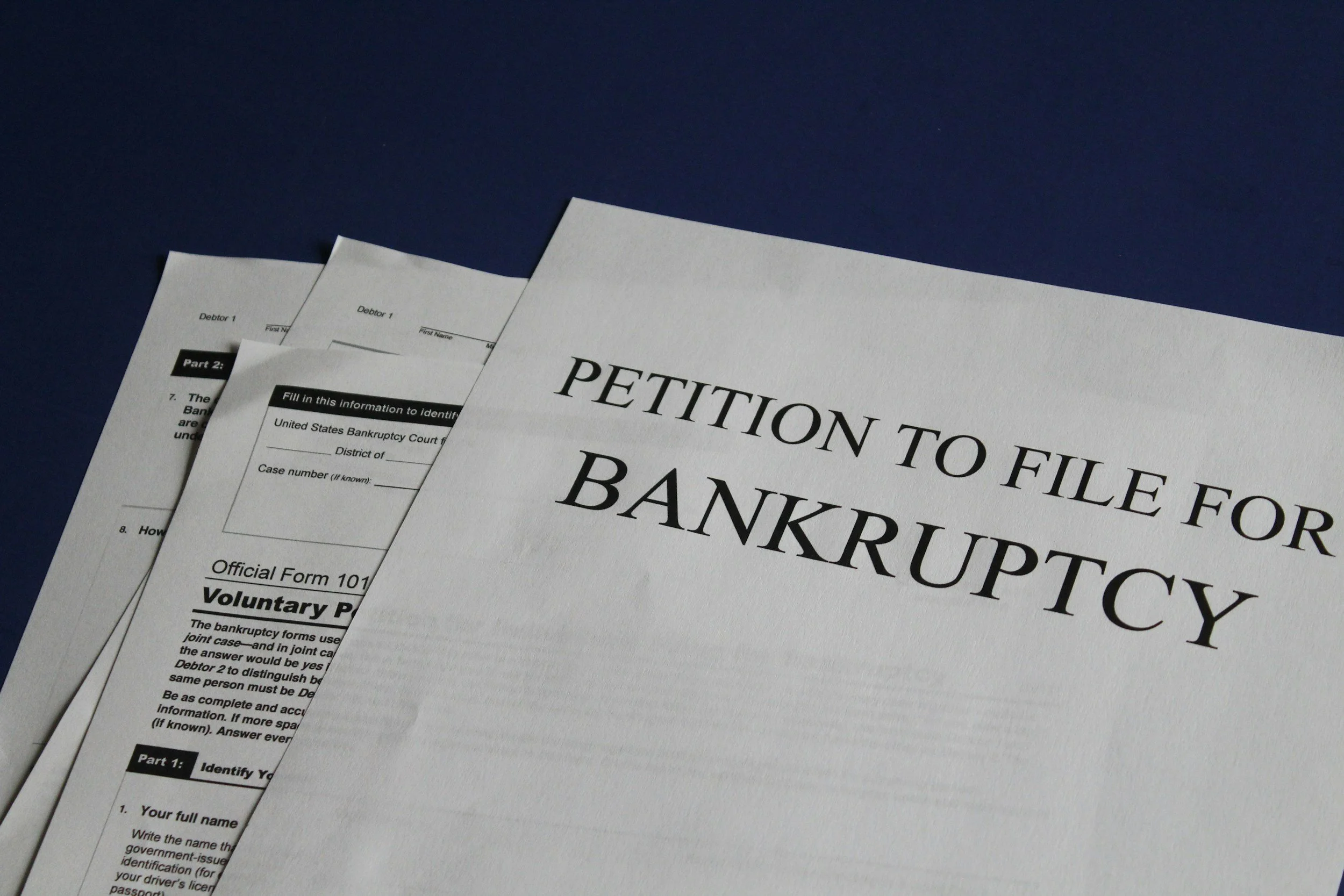
Digital Marketing for Bankruptcy Lawyers: 2026 Guide

A multi-channel approach built on SEO (which delivers an average 3-year ROI of 526%), Answer Engine Optimization (AEO) for AI platform visibility, Google Business Profile Optimization for local search dominance, and online reputation management delivers the strongest long-term ROI for bankruptcy firms. With U.S. bankruptcy filings rising 11.9% year-over-year to nearly 592,000 cases in the period ending March 2026, the demand for bankruptcy representation is accelerating — and the firms with the strongest digital visibility will capture the largest share of this growing market.
Bankruptcy law sits at a unique intersection in 2026: a rapidly growing market combined with a client base that is emotionally vulnerable, deeply private, and increasingly reliant on digital research to find representation. U.S. bankruptcy filings reached 591,850 in the 12-month period ending March 2026 — an 11.9% increase over the prior year — and experts project continued growth as the delayed effects of elevated interest rates and depleted pandemic-era savings continue to pressure households and businesses.
For bankruptcy attorneys, this rising demand represents an enormous opportunity. But demand alone does not fill your calendar. The firms that win in this environment are the ones that appear at the exact moment someone overwhelmed by debt sits down — often late at night, often on their phone — and searches for help. Over 96% of people seeking legal advice begin on a search engine, and bankruptcy prospects are no exception. Many begin their research long before they are ready to file, asking questions like "Should I file for bankruptcy?", "What's the difference between Chapter 7 and Chapter 13?", and "Will I lose my house if I file?"
This guide breaks down every digital marketing channel, tactic, and priority bankruptcy firms need to capture their share of this growing market in 2026.
The Bankruptcy Market Opportunity in 2026
The numbers tell a compelling story for bankruptcy practitioners. Total filings have increased steadily for four consecutive years: from 387,721 in 2022 to 452,990 in 2023, 517,308 in 2024, 574,314 in 2025, and 591,850 in the 12-month period ending March 2026. Chapter 7 filings — the most common consumer bankruptcy — increased 19% in 2025 over 2024. Chapter 13 filings rose 15%, likely reflecting an increase in foreclosure activity. Commercial Chapter 11 filings also rose, with a dramatic 67% increase in February 2026 alone compared to February 2025.
This rising demand creates both opportunity and competition. Every bankruptcy attorney in your market sees the same trends. The firms that invest in digital visibility now — building organic search authority, establishing AI platform presence, and creating the trust signals that convert anxious prospects into retained clients — will capture a disproportionate share of this expanding market. The firms that wait will find themselves competing against entrenched competitors who have already built the digital infrastructure that modern clients rely on.
Bankruptcy also has the highest average hourly billing rate of any practice area, according to Clio's Legal Trends Report. Combined with growing case volumes, this makes bankruptcy one of the most financially compelling practice areas for strategic marketing investment.
SEO: The Foundation of Bankruptcy Marketing
Search engine optimization is the highest-ROI long-term investment a bankruptcy firm can make. SEO drives 53% of all website traffic for law firms, and local SEO increases law firm leads by 42%. Unlike personal injury or criminal defense — where keyword costs can reach $120–$300+ per click — bankruptcy keywords are generally more affordable, which means SEO and PPC can work together effectively without the extreme budget pressure that other practice areas face.
Bankruptcy SEO requires a specialized approach that accounts for two distinct client behaviors: the crisis searcher who needs help immediately ("bankruptcy lawyer near me," "stop wage garnishment now") and the research-phase searcher who is exploring options before committing ("should I file for bankruptcy," "Chapter 7 vs Chapter 13," "how to keep my house in bankruptcy"). Your SEO strategy must capture both.
Local SEO and Google Business Profile
Bankruptcy is intensely local. Most clients search for representation within 25 miles of their location, and they overwhelmingly choose attorneys in their jurisdiction. Your Google Business Profile is often the first impression a prospective client has of your firm — and local pack results drive 28% of clicks for attorney searches. A fully optimized GBP with "Bankruptcy Attorney" as your primary category, accurate NAP information, regular posts about debt-relief topics and outcomes, and a strong, growing review profile is the foundation of local bankruptcy visibility.
Chapter-Specific Content Strategy
Bankruptcy clients have specific, urgent questions — and the firms that answer those questions comprehensively earn both organic rankings and client trust. Build deep, authoritative content around each bankruptcy chapter you handle: Chapter 7 liquidation, Chapter 13 wage-earner plans, Chapter 11 business reorganization, and Chapter 12 for family farmers and fishermen if applicable. Each chapter represents a distinct keyword landscape, a different client profile, and a different set of questions that need answering.
High-intent keywords like "Chapter 7 attorney near me" convert at approximately 15% higher rates than broad terms like "bankruptcy help." Target specific pain points your clients are actually searching for: "how to keep my car in Chapter 13," "will bankruptcy stop foreclosure," "can I discharge medical debt in Chapter 7," and "what happens to my business if I file bankruptcy." Each answer is both a ranking opportunity and a trust-building moment.
Technical SEO and Site Performance
Your website must load in under two seconds and feature prominent click-to-call buttons on every page. Bankruptcy prospects are often stressed and impatient — a slow site sends them immediately to the next firm on the list. Research shows that adding 24/7 live chat increases lead capture by 28% for bankruptcy firms, and using a 3-step qualifying quiz instead of long, intimidating intake forms significantly improves conversion rates. Proper Attorney and LegalService schema markup, FAQ structured data, and mobile-first design are all essential.
AEO: Capturing the AI Referral Channel
Bankruptcy may be the single best practice area for Answer Engine Optimization (AEO) — and here is why. Bankruptcy clients ask more questions before hiring an attorney than almost any other practice area. They want to understand the process, the consequences, the costs, the timeline, and the differences between chapters before they are willing to pick up the phone. Increasingly, they are asking those questions not to Google, but to AI platforms like ChatGPT, Perplexity, and Google AI Overviews.
Questions like "Should I file for Chapter 7 or Chapter 13?", "How much does it cost to file bankruptcy?", "Will I lose my home?", and "How long does bankruptcy stay on my credit report?" are exactly the kind of specific, answerable queries that AI platforms excel at — and they respond with cited recommendations that include the firms whose content and authority signals they trust most.
Online Reputation Management: Overcoming the Stigma Barrier
Bankruptcy clients face a unique emotional barrier that does not exist in most other practice areas: shame. Filing for bankruptcy is one of the most stigmatized financial decisions a person can make. Many prospective clients delay reaching out for months or even years because they feel embarrassed, ashamed, or afraid of being judged. Your online reputation is the primary tool for overcoming this barrier.
Over 92% of potential clients read online reviews before choosing a lawyer. For bankruptcy attorneys, the reviews that matter most are not the ones that say "great lawyer" — they are the ones that say "treated me with dignity," "made me feel like I wasn't being judged," "explained everything clearly," and "gave me hope." These empathy signals directly address the stigma barrier and give anxious prospects the confidence to make the call.
Empathy-Forward Reviews
Encourage clients to share how they felt during the process — not just the legal outcome. Reviews highlighting compassion, patience, and non-judgmental service are the most powerful conversion tools in bankruptcy marketing.
Review Velocity
Build a systematic process for requesting reviews after discharge. Consistency matters — a steady stream of recent reviews signals ongoing quality and builds the social proof that overcomes hesitation.
Thoughtful Responses
Respond to every review with warmth and professionalism. Your responses are read by future prospects who are evaluating whether your firm is safe to contact. The tone of your responses communicates as much as the reviews themselves.
Privacy and Sensitivity
Never pressure clients to share details about their financial situation in reviews. Many will voluntarily share their story, but the request should always focus on their experience with your firm — not the specifics of their debt.
Reputation management also feeds directly into AEO and local SEO performance. AI platforms weigh review data when deciding which firms to recommend, and a bankruptcy firm with 100+ Google reviews emphasizing compassionate, effective service will dominate AI recommendations in its market.
Paid Advertising: PPC and Local Services Ads
Paid advertising for bankruptcy firms operates in a more favorable cost environment than personal injury or criminal defense. Quality bankruptcy leads typically cost between $65 and $180 per lead, with firms in Tier 1 cities paying a 30% premium for exclusive leads. This more accessible cost structure makes paid advertising a viable channel even for smaller bankruptcy practices.
Google Ads campaigns should be segmented by chapter type and search intent. High-intent "near me" and "emergency" keywords — "Chapter 7 attorney near me," "stop wage garnishment now," "stop foreclosure filing" — convert at approximately 15% higher rates than broad terms like "bankruptcy help." Target specific pain points that signal immediate need, as these searchers are closest to making a hiring decision.
Local Services Ads
Google's Local Services Ads have become particularly valuable for bankruptcy firms. LSAs appear at the very top of search results, operate on a pay-per-lead model, and feature the "Google Screened" badge — a trust signal that is especially powerful for bankruptcy prospects who may feel uncertain about reaching out. The pay-per-lead structure also provides more predictable cost control than traditional PPC, where costs can fluctuate based on competition and keyword pricing.
Referral Partnership Marketing
Bankruptcy firms benefit significantly from cultivating referral relationships with complementary professionals — financial advisors, CPAs, credit counselors, real estate agents, family law attorneys, and business consultants. These partners encounter clients facing financial distress as part of their regular practice and can serve as a steady, high-quality referral stream. Segmented email campaigns targeting these professional referral sources achieve 30–50% higher open rates than generic outreach.
Content Marketing: Education as Client Acquisition
Content marketing is arguably more important for bankruptcy than any other practice area, because bankruptcy clients do more pre-hire research than almost anyone else. They need to understand the process, overcome their fear, and build confidence in their decision before they will ever contact an attorney. Your content is what bridges that gap.
Bankruptcy has the longest conversion timeline of any practice area — 16 days from lead intake to signed client, compared to just 3 days for personal injury. This extended decision period means your content must nurture prospects through an entire research journey, from initial "should I file?" exploration through chapter comparison, consequence evaluation, and finally attorney selection.
Content Priorities for Bankruptcy Firms
Build comprehensive educational content around every stage of the bankruptcy decision process. Start with awareness-stage content that addresses the fundamental questions: "What are the signs I should consider bankruptcy?", "What are the alternatives to filing?", "How much does bankruptcy cost?" Then build consideration-stage content that helps prospects evaluate their options: Chapter 7 vs. Chapter 13 comparisons, means test explainers, asset exemption guides, and state-specific procedure overviews. Finally, create decision-stage content that builds confidence in hiring your firm: case result summaries, client testimonials, the intake process explained, and "what to expect at your first consultation."
Every piece of content should be state-specific (bankruptcy exemptions and procedures vary dramatically by state), written in plain language (your readers are not lawyers), formatted with clear FAQ sections for featured snippet and AI citation eligibility, and structured with internal links that guide readers naturally through the decision journey.
Addressing the Shame Factor in Content
Your content tone matters enormously in bankruptcy. Prospective clients are often ashamed, scared, and convinced they have failed. Content that leads with empathy — normalizing financial difficulty, citing the hundreds of thousands of Americans who file each year, and framing bankruptcy as a legal tool for a fresh start rather than a personal failure — dramatically outperforms clinical, legalistic content. Write like a trusted advisor, not a textbook.
Website Design and Conversion Optimization
Bankruptcy website design faces a unique challenge: your visitors are in emotional distress, often embarrassed, and many are visiting your site late at night when they finally work up the courage to research their options. Your website must feel safe, welcoming, and non-judgmental — while still communicating competence and authority.
Warm, Non-Judgmental First Impression
Your homepage must immediately communicate empathy. Lead with messaging like "You're not alone — we've helped thousands of families find a fresh start" rather than fear-based headlines about creditors and consequences. The emotional tone of your first impression determines whether a prospect stays or bounces.
Simple, Non-Intimidating Intake
Replace long, invasive intake forms with a simple 3-step qualifying quiz or a brief contact form with minimal required fields. Many bankruptcy prospects are already overwhelmed — a 15-field form asking about their debts, assets, and income will drive them away. Capture their name, phone, and a brief description. Get the details during the consultation.
24/7 Availability
Financial crises do not respect business hours. Many prospects research bankruptcy late at night or on weekends. AI-powered chatbots that provide immediate, empathetic responses increase lead capture by 28%. Click-to-call phone numbers and simple contact forms should be accessible on every page.
Speed and Mobile Performance
Your site must load in under two seconds. Bankruptcy prospects are impatient and anxious — a slow site sends them back to the search results immediately. With a significant share of bankruptcy searches happening on mobile devices, mobile-first design is essential.
Trust Signals and Social Proof
Display your Google review rating and count prominently. Showcase the number of families or businesses you have helped. Feature client testimonials that emphasize compassion and fresh starts. Include attorney credentials, NACBA membership, and years of experience.
Social Media Strategy for Bankruptcy Firms
Social media for bankruptcy attorneys requires exceptional sensitivity. Your potential clients are dealing with financial shame — they are not going to publicly engage with a Facebook post about debt relief in front of their friends and family. This means bankruptcy social media is less about generating direct client leads and more about building professional credibility, cultivating referral relationships, and establishing thought leadership.
LinkedIn is the most valuable social platform for bankruptcy attorneys. It connects you with the professional referral network that drives a significant share of bankruptcy consultations: CPAs, financial advisors, business consultants, family law attorneys, and credit counselors. Regular posts about debt trends, bankruptcy law developments, and business restructuring insights keep you visible to these referral sources.
Facebook can be effective for general brand awareness when used with the right tone. Educational content about financial relief options, debt management, and the bankruptcy process — framed as helpful information rather than advertising — performs well. Client success stories (with permission) that emphasize hope and fresh starts are the most powerful social content a bankruptcy firm can share. The key is leading with empathy and education, never shame or fear.
Budget Allocation and ROI Expectations
Bankruptcy firms benefit from a more accessible cost environment than personal injury or criminal defense, making strategic marketing investment highly achievable for firms of all sizes. Understanding how much it costs to hire a marketing agency for SEO and AEO helps set realistic expectations.
Most bankruptcy firms allocate 7–12% of gross revenue to marketing. Firms in competitive metro markets typically invest $4,000–$10,000 per month for comprehensive SEO and AEO, with additional budgets of $2,000–$8,000 per month for paid advertising. Because bankruptcy keywords are generally less expensive than PI or criminal defense, a well-executed strategy can produce strong results at moderate investment levels.
The extended conversion timeline in bankruptcy (16 days vs. 3 days for PI) makes email nurture sequences and content marketing especially important. CRM platforms with automated follow-up sequencing increase lead conversion by 60–80% while reducing administrative overhead. Investing in intake technology and follow-up systems is as important as investing in traffic generation — leads that go cold during the 16-day decision window represent revenue your firm has already paid to acquire and then lost.
Choosing the Right Digital Marketing Partner
About 83% of law firms hire external marketing agencies, and choosing the right partner is especially important for bankruptcy firms because the practice area has unique characteristics that generalist agencies often overlook — the stigma barrier, the extended decision timeline, the chapter-specific keyword segmentation, and the professional referral network dynamics.
When evaluating agencies, bankruptcy firms should prioritize deep legal-vertical experience (ideally exclusive to law firms), proven competency in both SEO and AEO, understanding of the bankruptcy client's emotional journey and how it impacts content strategy and conversion optimization, familiarity with chapter-specific keyword segmentation, experience with email nurture sequences for extended conversion timelines, and a track record of measurable results in competitive markets.
Ask for case studies with specific metrics: organic traffic growth, keyword rankings for chapter-specific terms, AI citation presence across ChatGPT and Perplexity, lead volume and cost-per-retained-client, and email nurture conversion rates. Avoid agencies that treat bankruptcy like personal injury or criminal defense — the client psychology, decision timeline, and marketing dynamics are fundamentally different and require specialized expertise.
Frequently Asked Questions
Ready to Grow Your Bankruptcy Practice?
Dashing Digital Marketing specializes in SEO, AEO, and online reputation management exclusively for law firms in competitive metro markets. Let's talk about what a data-driven digital strategy can do for your client pipeline.
Schedule a Consultation
